
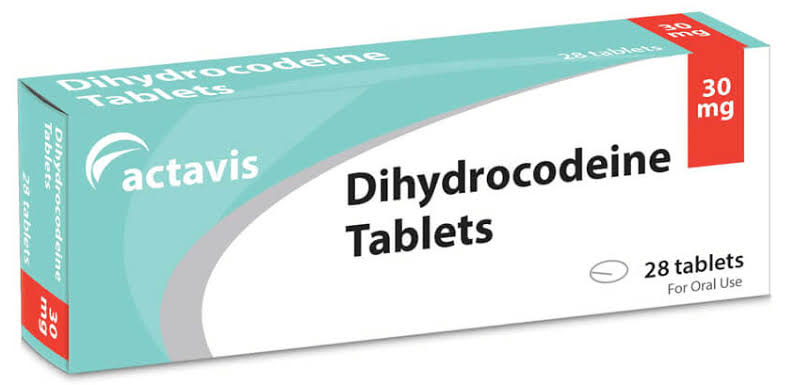
Description
Dihydrocodeine 30mg Tablets – Prescription Pain Relief in the UK
What Is Dihydrocodeine?
Dihydrocodeine (often abbreviated as DHC) is a prescription-only opioid analgesic used to treat moderate to severe pain when other painkillers are not effective. It works by binding to opioid receptors in the central nervous system (brain and spinal cord), helping to reduce the body’s response to pain.
Dihydrocodeine has been used in medical practice since 1948 and is classified in the UK as a controlled medication, meaning it must only be taken under medical supervision.
Dihydrocodeine 30mg – Uses
Dihydrocodeine 30mg tablets may be prescribed for:
-
Moderate to severe pain
-
Post-operative pain
-
Injury-related pain
-
Chronic pain where appropriate
A doctor will only prescribe this medication when the benefits outweigh the potential risks.
How to Take Dihydrocodeine
-
Take exactly as prescribed by your doctor
-
Can be taken with or without food
-
Usually taken every 4–6 hours, depending on medical advice
-
Do not increase or stop the dose without consulting your doctor or pharmacist
If the medication becomes less effective over time, speak to your healthcare provider.
Possible Side Effects
Most patients tolerate dihydrocodeine well, but side effects can occur. Contact your doctor if symptoms persist or worsen.
Common side effects include:
-
Nausea
-
Vomiting
-
Constipation
-
Dizziness
-
Light-headedness
-
Upset stomach
To reduce dizziness, stand up slowly from sitting or lying positions and rest after taking the medication.
Important Safety Information
Before taking dihydrocodeine, inform your doctor or pharmacist if you:
-
Are allergic to dihydrocodeine, codeine, aspirin, NSAIDs (e.g. ibuprofen), or caffeine
-
Have asthma, breathing problems, liver or kidney disease
-
Are taking other opioid medications
-
Have a history of substance dependence
This medicine may contain inactive ingredients that can cause allergic reactions—always check with your pharmacist.
Dependence & Withdrawal
Taking dihydrocodeine for longer than prescribed can lead to tolerance or dependence.
Do not stop suddenly, as this may cause withdrawal symptoms such as restlessness or irritability. Your doctor will reduce the dose gradually if treatment needs to stop.
Dihydrocodeine in the UK
Dihydrocodeine is only available with a valid prescription from a registered healthcare professional in the UK. Always use a licensed UK pharmacy and follow professional medical advice.
Reviews
There are no reviews yet.