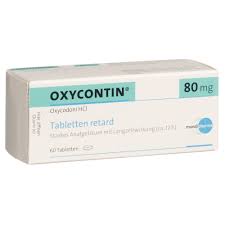
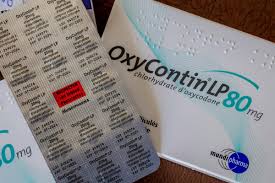
OxyContin drugs play a major role in modern pain management. This prescription medication delivers oxycodone through a controlled-release formula that targets long-lasting pain relief for patients with severe or chronic pain conditions.
What OxyContin Does in the Body
OxyContin drugs act on opioid receptors in the brain and nervous system. Oxycodone reduces pain signals and changes how the body perceives discomfort, which helps patients regain daily function and mobility.
Medical Uses of OxyContin Drugs
Doctors prescribe OxyContin drugs for cancer pain, post-surgical pain, and serious injury recovery. Physicians choose this medication when non-opioid options fail to control persistent and intense pain levels.
How OxyContin Differs from Other Opioids
OxyContin drugs use an extended-release design that delivers oxycodone over several hours. This structure supports steady pain control and reduces frequent dosing compared with short-acting opioid medications.
Side Effects of OxyContin Drugs
This medication can trigger nausea, constipation, drowsiness, and dizziness. Some users experience slowed breathing or confusion, which requires close medical supervision during treatment and dose adjustments.
Risk of Dependence and Addiction
OxyContin drugs carry a high risk of dependence due to their opioid nature. Long-term use can change brain chemistry and increase cravings, which may lead to misuse without careful monitoring.
OxyContin Abuse and Public Health Impact
This drug have fueled widespread opioid misuse in many regions. Improper use contributes to overdoses, emergency visits, and long-term health complications that affect individuals and communities alike.
Withdrawal Symptoms and Challenges
Stopping this drug abruptly can cause withdrawal symptoms such as anxiety, muscle pain, sweating, and insomnia. Medical guidance helps patients taper safely and manage discomfort during discontinuation.
Safe Use and Patient Responsibility
Patients must follow prescriptions exactly when using OxyContin drugs. Secure storage, regular doctor visits, and honest communication reduce risks and support effective pain management outcomes.
Treatment Options and Support Resources
Addiction treatment programs, counseling, and medication-assisted therapy help people recover from OxyContin drug misuse. Early intervention and professional care improve recovery success and long-term health.

Reviews
There are no reviews yet.